3 Simple Evening Habits That Support Memory and Mental Sharpness After 60
Why misplaced keys and forgotten names feel more frequent with age, and how a few calm evening habits — including a curious honey and menthol balm bedtime ritual — can help you support everyday memory and focus.
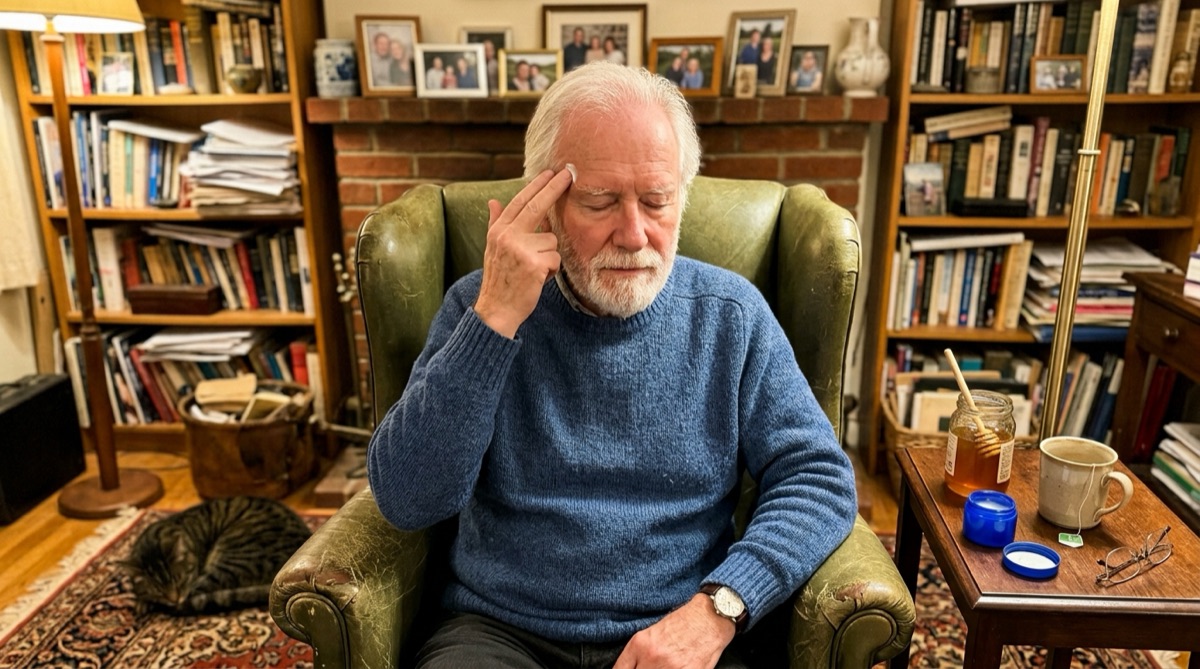
Walking into a room and forgetting why. A name that sits on the tip of your tongue. Reading the same page twice. These everyday moments are some of the most common concerns adults over 60 talk about.
With age, natural changes in sleep quality, circulation and how the brain handles everyday stress can make recall feel a little slower than it used to.
Many people simply laugh it off, rely on sticky notes and phone reminders, or try one puzzle app after another — only to feel that nothing really fits into their daily life.
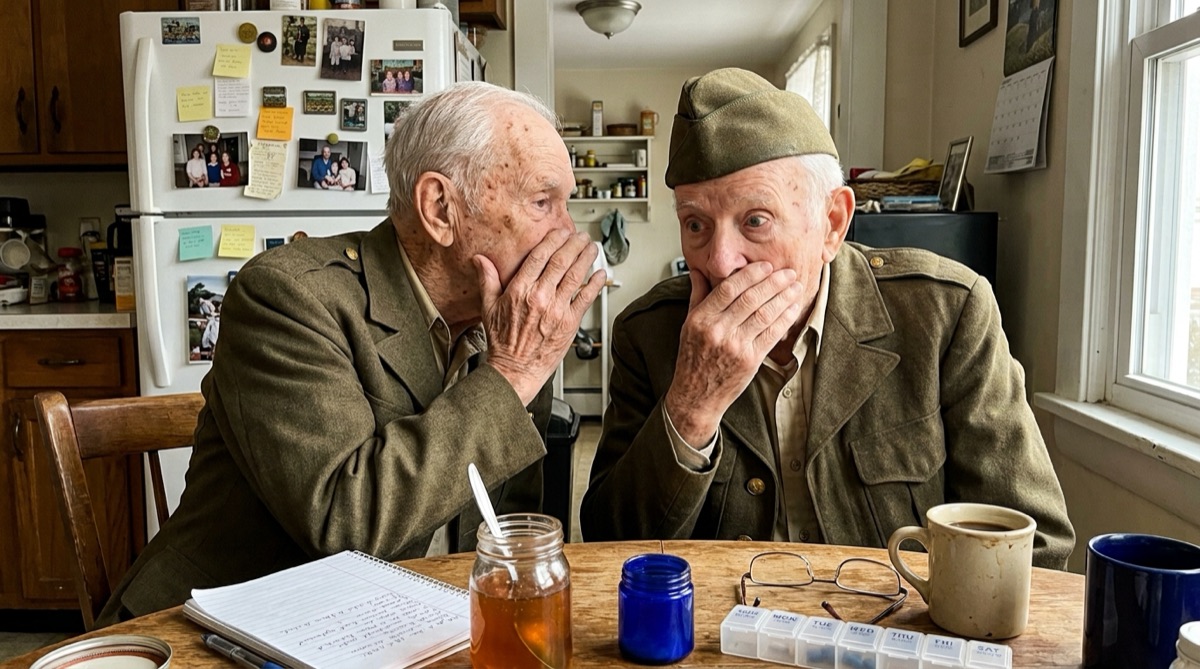
Sleeping poorly? Deep, restful sleep is when the brain sorts and stores the day’s memories. Spending the day sitting? Long stretches without movement leave both body and mind feeling sluggish. Evenings full of screens and stress? A busy mind at bedtime makes it harder to wind down.
At Memo News Journal, we looked at what research says about everyday habits that support a sharp, healthy mind — and why more adults are building a simple evening ritual around a jar of honey and a menthol balm.
If you’ve noticed you lose your train of thought more often, forget small details from yesterday, or feel mentally foggy in the morning…
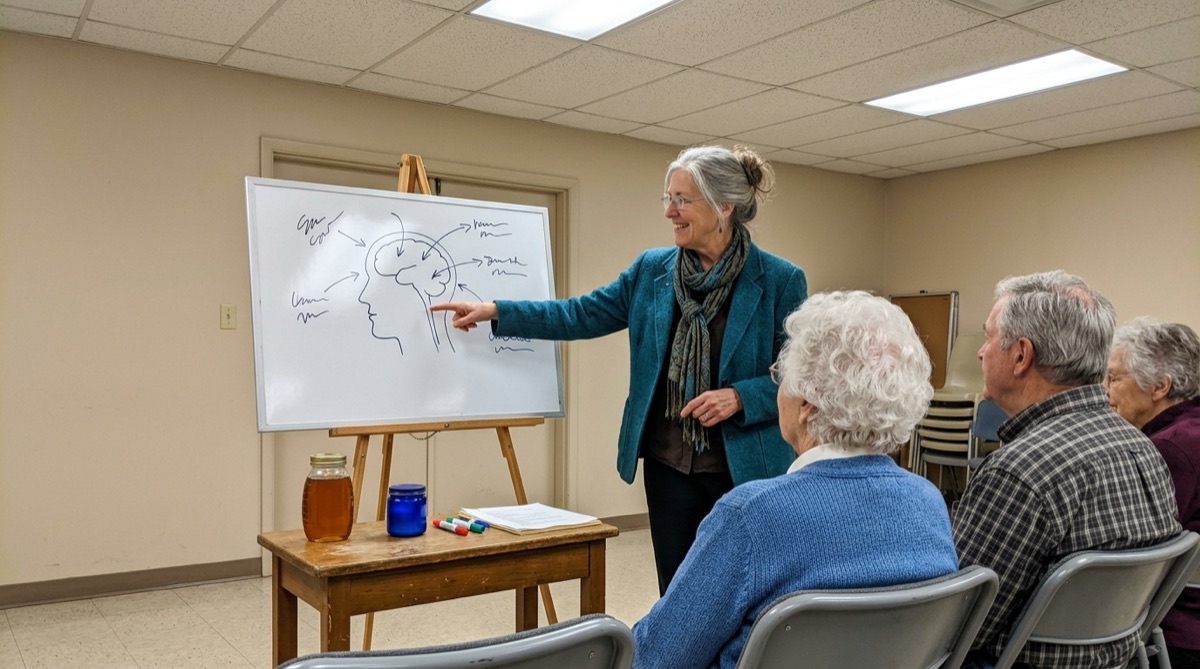
Habit 1: Protect Your Sleep — It’s When Memories Settle
During deep sleep, the brain replays and organizes what you experienced during the day, moving useful information into longer-term storage. When sleep is short or broken, that process has less time to happen.
That’s why the goal is to support healthy memory and focus with evening habits you can actually keep: a regular bedtime, a dim and quiet room, less screen time in the last hour, and a calming routine that tells your body the day is over. Keeping a small notebook of what you notice — good mornings, foggy ones — also makes it easier to share useful details with your doctor.
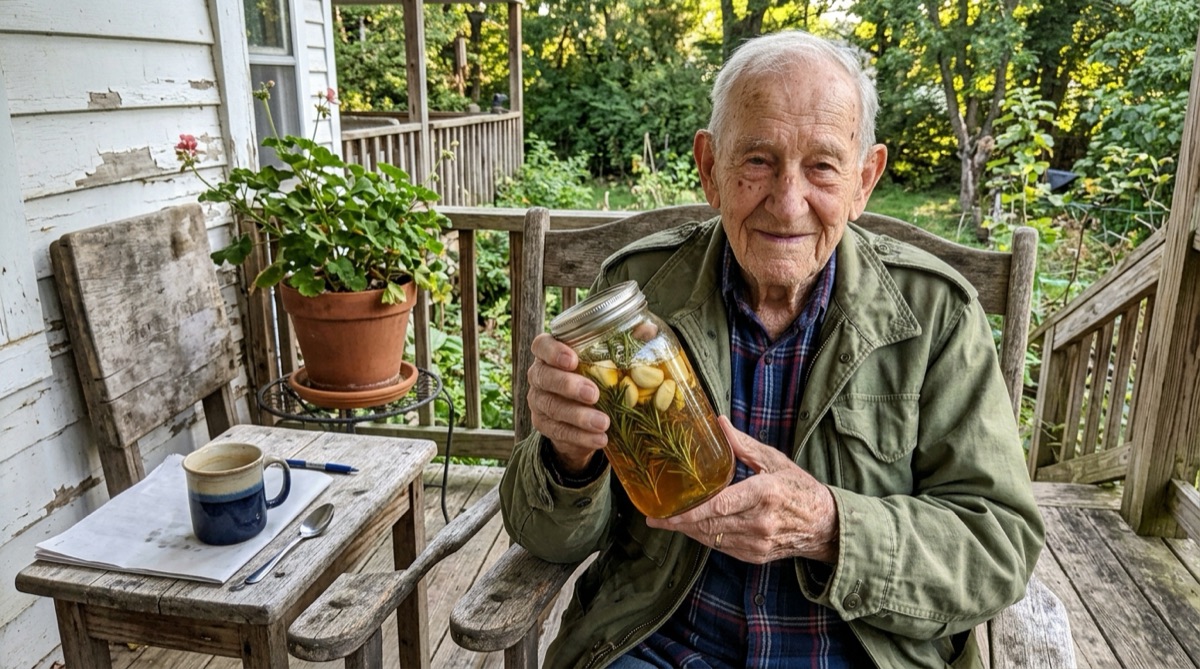
Habit 2: Keep Body and Mind Moving
Regular physical activity helps keep blood flowing to the brain, bringing it the oxygen and nutrients it uses every second. Staying socially and mentally engaged matters too.
Simple changes add up: a short walk after dinner, a phone call with an old friend, a crossword, learning a new recipe or a few words of a new language. None of these steps is dramatic on its own, but together they keep the mind active and engaged. The National Institute on Aging lists physical activity, social connection and good sleep among the habits that support cognitive health as we age.
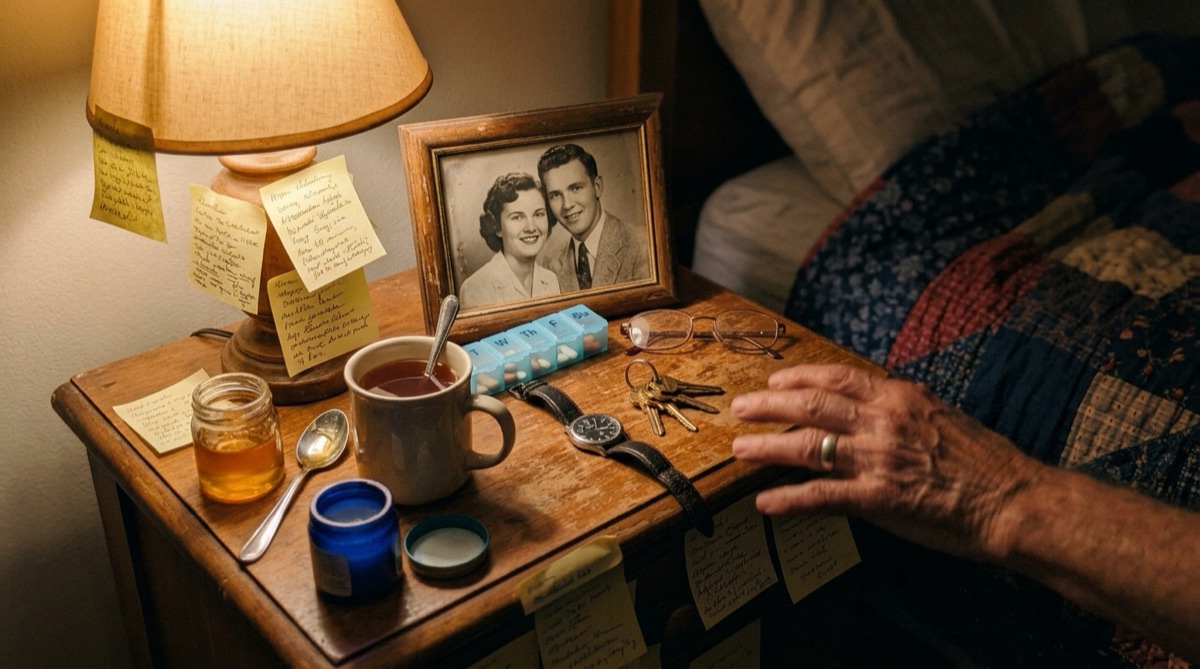
Habit 3: Build a Calming “Honey & Menthol” Bedtime Ritual
One approach many older adults are exploring is a short, soothing ritual before bed: a spoonful of honey stirred into a warm, caffeine-free tea, and a small amount of a menthol-camphor balm rubbed on the chest so its cool, familiar scent fills the air while they relax.
Why these two? Honey is a traditional evening comfort food that naturally contains antioxidant compounds, and warm drinks are a classic signal to the body that it’s time to slow down. Researchers have also studied how certain aromas, such as peppermint and rosemary, relate to alertness, mood and memory performance in healthy adults. Together, they turn going to bed into a calm, repeatable ritual.
But there’s a reason this ritual only covers part of the picture. A detailed report looks at why home tricks like this work mostly on how you feel in the evening — and at the simple daily nutrition routine many older adults are adding to it.
A quick note: apply menthol-camphor balms only to the skin of the chest or throat as the label directs — never inside or under the nose, never on broken skin, and never on young children. Honey should not be given to infants under 12 months. If you have diabetes, a medical condition or take medication, check with your doctor before changing your routine.

More Evening Rituals to Explore

A caffeine-free evening cup with a spoonful of honey — a cozy way to signal the end of the day.

An old-fashioned pantry prep: garlic cloves and fresh rosemary covered in honey.
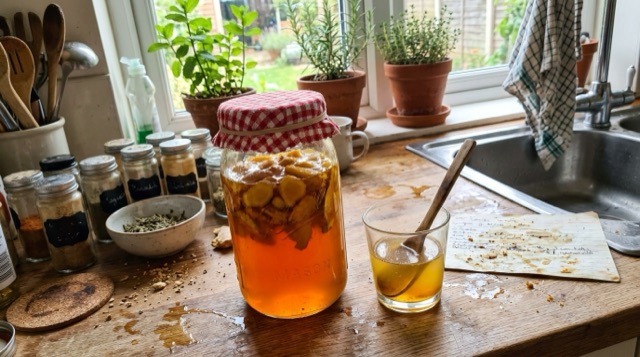
A big jar of honey infusion kept on the counter — a popular kitchen ritual explained in the report.
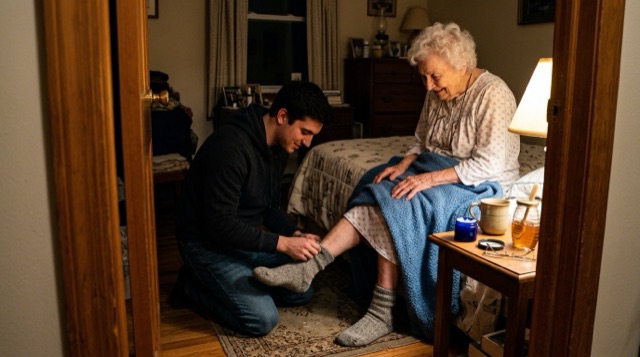
Why some people are trying this simple bedtime pairing — and what the full report says about it.
Sources
- National Institute on Aging, National Institutes of Health. "Cognitive Health and Older Adults." nia.nih.gov
- Moss M, Cook J, Wesnes K, Duckett P. "Aromas of rosemary and lavender essential oils differentially affect cognition and mood in healthy adults." International Journal of Neuroscience. 2003;113(1):15–38.
- Moss M, Hewitt S, Moss L, Wesnes K. "Modulation of cognitive performance and mood by aromas of peppermint and ylang-ylang." International Journal of Neuroscience. 2008;118(1):59–77.
Compliance & Advertising Disclosures
FDA Compliance: The statements and information on this site have not been evaluated by the Food and Drug Administration. This product and content are not intended to diagnose, treat, cure, or prevent any disease. Information is shared for educational and informational purposes only. Always consult your physician or a qualified healthcare professional before starting any diet, supplement, or exercise routine.
Results May Vary: Individual results will vary depending on health status, lifestyle and consistency. Any photos of people on this site feature models. The honey and menthol balm ritual described here is a relaxation habit, not a treatment, and is not part of any product.
Advertorial Disclosure: This website is an educational advertorial operated by Memo News Journal. It promotes MemoryFuel, a dietary supplement made by Nutraville, and we may receive compensation from purchases made through it. It is a promotional publication and is not affiliated with any news organization or with the makers of any balm brand.